We need you to know about our Website Terms and our Privacy Policy. By accessing any part of the website you are indicating that you accept these. If you do not accept, please do not use the website.
Three new fellowships to drive the next generation of brain research
6
October
2026
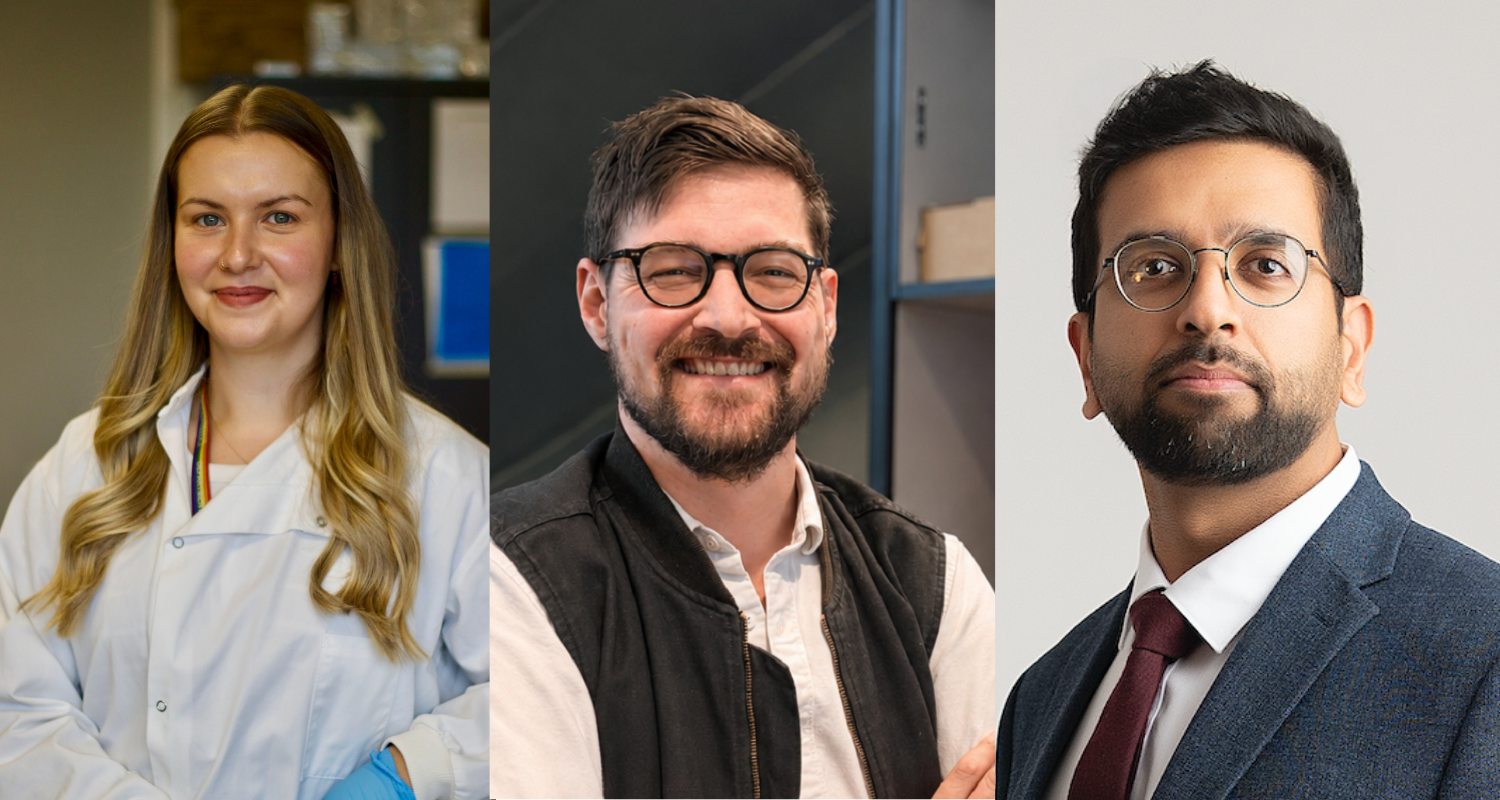
The 2026 Brain Research UK fellowships, Dr Amy Dashwood, Dr James Nicholson, and Mr Ali Bakhsh.
We’re delighted to announce three new Brain Research UK fellowships, supporting the next generation of researchers as they tackle pressing unanswered questions in brain research.
Our fellowships give talented early-career researchers the opportunity to develop innovative ideas, build their expertise in neurology and pursue research that could ultimately improve the lives of people affected by neurological conditions.
Of the 36 talented applicants reviewed by our panel, this latest round of funding will support Dr Amy Dashwood, Dr James Nicholson and Mr Ali Bakhsh, whose projects span repeated head injury, glioblastoma and brain tumour-related epilepsy.
Thanks to the generosity of Brain Research UK donors, these three researchers can now take their next steps towards finding better ways to understand, diagnose and treat conditions affecting the brain.
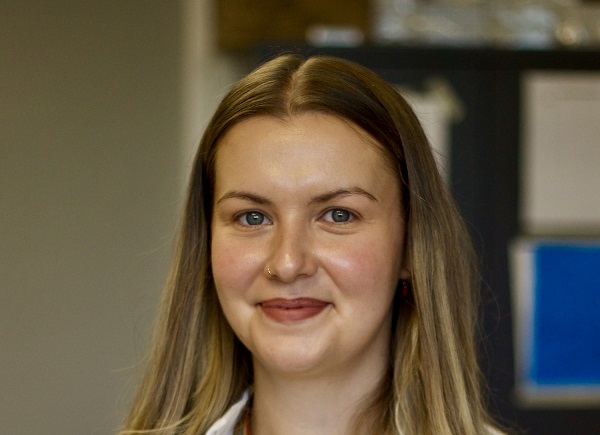
Dr Amy Dashwood: understanding the hidden damage caused by repeated head injury
Repeated head injuries can have consequences that last long after the initial injury. People exposed to repeated head injury – such as contact sports players, members of the armed forces and survivors of domestic abuse – can develop problems with memory, mood and thinking later in life. Yet standard brain scans can sometimes appear normal, leaving people without clear answers about what is causing their symptoms.
Dr Amy Dashwood, from the University of Manchester, has been awarded a Brain Research UK post-doctoral fellowship to investigate how repeated head injury causes long-term damage to the brain.
Rather than focusing solely on the brain itself, Amy’s research will investigate the meninges – the protective layers surrounding the brain. She and her colleagues believe that repeated injury may place these protective borders under stress, causing the barrier between the body and the brain to break down. This could allow substances that would not normally enter the brain to pass through, potentially contributing to long-term disease.
Amy will build a timeline of the damage caused by repeated injury, helping to identify when treatment might be most effective. She will also investigate whether existing medicines could prevent the processes that cause these protective barriers to break down.
Amy completed her PhD at the University of Cambridge in 2025 and has since developed expertise in meningeal biology and modelling repeated head injury. Her fellowship will allow her to pursue an innovative area of research that could help explain why seemingly mild injuries can have such lasting consequences.
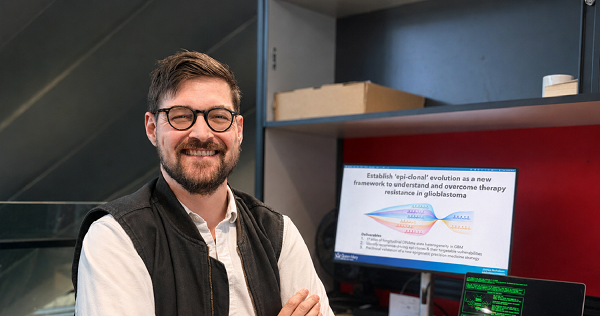
Dr James Nicholson: understanding why glioblastoma comes back
Glioblastoma is an aggressive and incurable brain tumour. Around 2,500 people are diagnosed with it in the UK every year, and even when surgery successfully removes most of a tumour, some cancer cells are inevitably left behind. These cells can eventually grow back as a recurrent tumour, which is often more resistant to treatment.
Dr James Nicholson, from Queen Mary University of London, has been awarded a Brain Research UK Fellowship to investigate why these tumour cells survive treatment – and how we might stop them.
In many cancers, treatment resistance is thought to develop as cancer cells acquire genetic mutations. James is investigating a different possibility in glioblastoma: “epi-clonal evolution”. His theory is that some cancer cells may already possess inherited epigenetic states – changes that control which genes are switched on or off – that allow the cancer cells to survive chemotherapy and radiotherapy.
Using tumour samples taken from patients before and after tumour recurrence, alongside laboratory models, James and his colleagues will track how cancer cells change during treatment. They will then look for existing medicines that can target treatment-resistant cells and investigate whether combining these medicines with standard treatment could make it more effective.
James has previously worked as a post-doctoral researcher at Cornell University and Queen Mary University of London. His long-term ambition is to lead a research group combining advanced brain tumour modelling with computational biology to understand how epigenetic changes drive glioblastoma progression and treatment resistance.
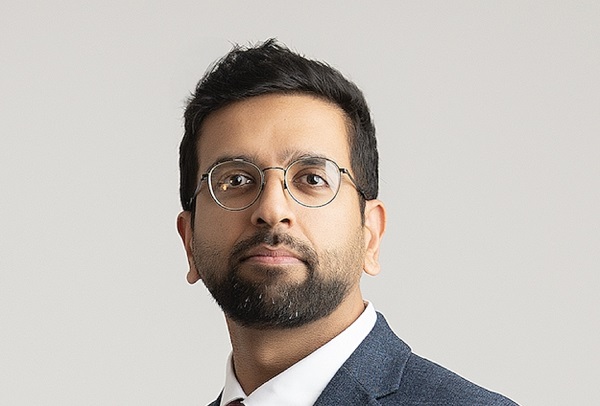
Mr Ali Bakhsh: finding out why some brain tumours cause epilepsy
Meningioma is the most common type of primary brain tumour. However, for people with meningioma, the tumour itself isn't always the only challenge. Around 20-40% of people with meningioma also experience seizures, which can prevent people from driving or working and may mean taking anti-seizure medication for many years. Current treatments largely focus on suppressing seizures rather than addressing what causes them.
Mr Ali Bakhsh, a resident neurosurgeon at the University of Liverpool, has been awarded a Brain Research UK Fellowship to investigate why some meningiomas cause seizures – and how they might be prevented.
Ali’s previous research suggests that an overactive inflammatory response in some meningiomas, particularly where the tumour meets healthy brain tissue, may irritate nearby brain cells and make them more likely to cause seizures.
His fellowship will allow him to investigate this further. He will study samples from people who have undergone meningioma surgery, comparing patients who experienced seizures with those who did not. He will then recreate key aspects of the tumour–brain environment in the laboratory to investigate how inflammation affects the electrical activity of brain cells.
Importantly, Ali will also test three promising medicines already approved for other conditions, looking at whether they can reduce the inflammation involved and restore brain activity towards normal. This could help identify potential treatments using medicines that are already available, as well as ways to measure seizure risk in individual patients.
As an NHS neurosurgeon, Ali has seen first-hand the devastating impact that seizures can have on quality of life. One patient told him that their seizures were “more trouble than the meningioma ever was.”
This fellowship will help him develop his expertise as a clinician-scientist, while taking an important step towards his ambition of developing new ways to prevent brain tumour-related epilepsy.
By supporting these researchers at this early stage of their careers, Brain Research UK donors are investing in more than just three individual research projects. They are helping talented scientists and clinicians build the expertise and experience they need to continue working in neurology.
We’re incredibly grateful to our donors, whose support makes fellowships like these possible and helps give talented researchers the opportunity to pursue the ideas that could shape the future of brain research. Thank you.