We need you to know about our Website Terms and our Privacy Policy. By accessing any part of the website you are indicating that you accept these. If you do not accept, please do not use the website.
Pre diagnosis: James aged five with his older brother and Dad
When James was 5 years old, his family noticed him having ‘funny turns’. Episodes they later found out to be seizures due to a golf ball sized tumour in his brain. At age 18, the 12 years of strong medication, surgery, and relentless seizures has forever affected the lives of him and his family.
James started having ‘funny turns ’at 5 years old. He was sports-mad, so his parents initially put it down to either being dehydrated or needing to eat after burning so much energy. As these episodes worsened, his parents became increasingly concerned and sought medical advice.
After various investigations they were shocked to discover that he had a golf-ball sized tumour in the left temporal lobe of his brain. The tumour had caused James to develop uncontrollable epilepsy.
“After biopsy of the tumour, it was identified as low-grade, so they opted for a ‘watch and wait’ approach. I literally could not tell you how many trips we have made to King’s Hospital for scans, assessments, telemetry, outpatient appointments. It’s so many that I have lost count,” said his mother, Jane.
The strong epilepsy medication, combined with the relentless seizures, affected James’ memory and his personality. Some days he could read a sentence, whilst other days he struggled with reading the word ‘and’. He missed years of full-time school, struggled with friendships and has had to give up his beloved sport because he felt so unwell.
After being told for a number of years that the tumour was better left alone whilst it was not growing, doctors eventually decided that the damage being caused by the epilepsy now tipped the balance in favour of surgery. So, James underwent surgery in October 2017.
After 9 hours of brain surgery, most of the tumour was finally gone. It was identified as a low-grade ganglioglioma – a rare, slow-growing tumour that most often occurs in the temporal lobes of children and young adults and commonly causes seizures.
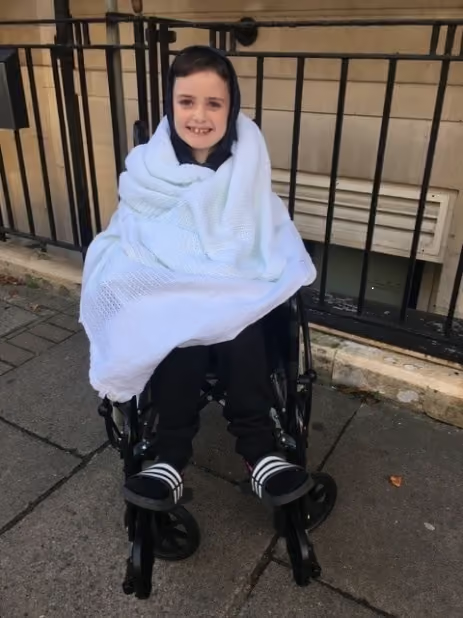
Post surgery: October 2017, one week after James's op
The difficult road to recovery
Despite the surgery removing most of the tumour, James has suffered with developmental and behavioural problems due to the long years of illness and treatments. He had to attend a special school, continued his treatment for epilepsy, and struggled with mood swings. His mother says that it has been a tremendously hard journey for the whole family, and she just wants James to be able to progress with his life.
As an 18-year-old, James has demonstrated real practical ability as a carpenter but frequent seizures, fatigue, cognitive and executive difficulties and the need for support now severely restrict his independence, employment prospects and quality of life.
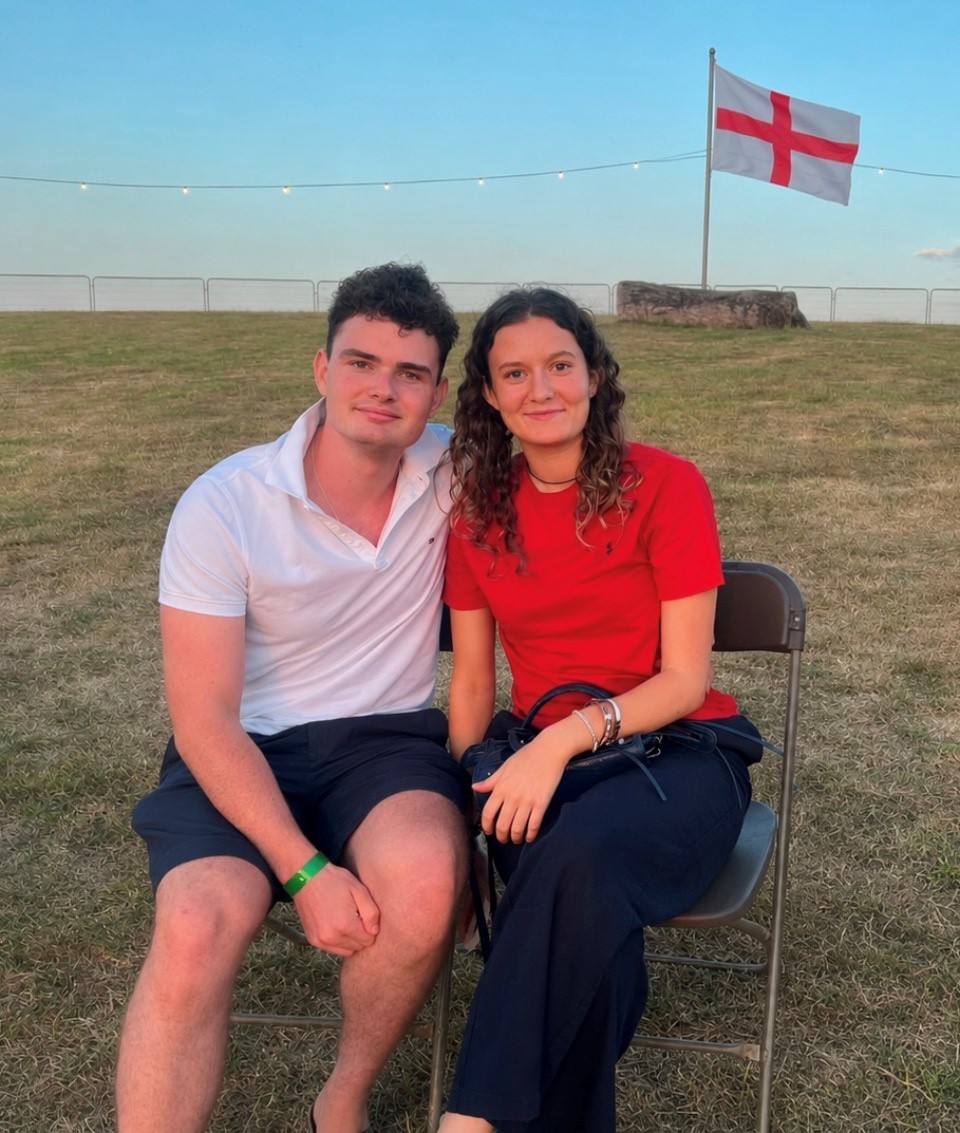
James at 18. Nine years post surgery.
The long-term effects of brain tumour treatment are especially hard for the 400 children diagnosed with brain tumours every year in the UK. Developmental, emotional and social challenges resulting from long-term illness or side-effects from treatment can impact them for the rest of their lives.
These young brain tumour survivors have been shown to struggle at school, have fewer friends, and be more frequently under-employed. We need better treatments, better techniques to identify when damage has been done and better care for post-treatment support to help survivors with a quality of life after surgeries and treatments.
‘Research is so vitally important, and I’m so thankful to everyone who supports Brain Research UK. I want there to be better treatments and help for children like James who go through brain tumours so young. And I wish there was more research to support them after treatment, to help them through the issues and challenges they can face.’
Funding vital brain tumour research
James is one of around 400 children diagnosed with a brain tumour every year in the UK. Whilst some childhood brain tumours are aggressive and quickly fatal, others – such as ganglioglioma - are slow-growing and not immediately life-threatening. But, as James’s story shows, these low-grade tumours still have a devastating effect.
We need to understand more about the development of these tumours in order to get better at both diagnosis and treatment. We want to accelerate the development of better treatments for all types of brain tumour – to develop safe and effective treatments that will not only eliminate the tumour but will do so at minimal risk of harm to the patient. This is especially important in children, whose developing brains are more vulnerable to the damaging effects of chemotherapy and radiation.
Despite the significant harm caused by brain tumours – the fact that they kill more people under 40 than any other cancer, that they kill more children in the UK than any other disease – brain tumour research attracts only 2% of the national spend on cancer research. This is why we have made brain tumours one of our three research priorities. We want to improve the outlook for those affected by funding research that takes forward our understanding of the mechanisms underlying tumour development, and helps develop better ways to diagnose and treat these tumours.